Now accepting new patients in Rockville. Free 15-minute call to figure out where to start.Patient Portal →
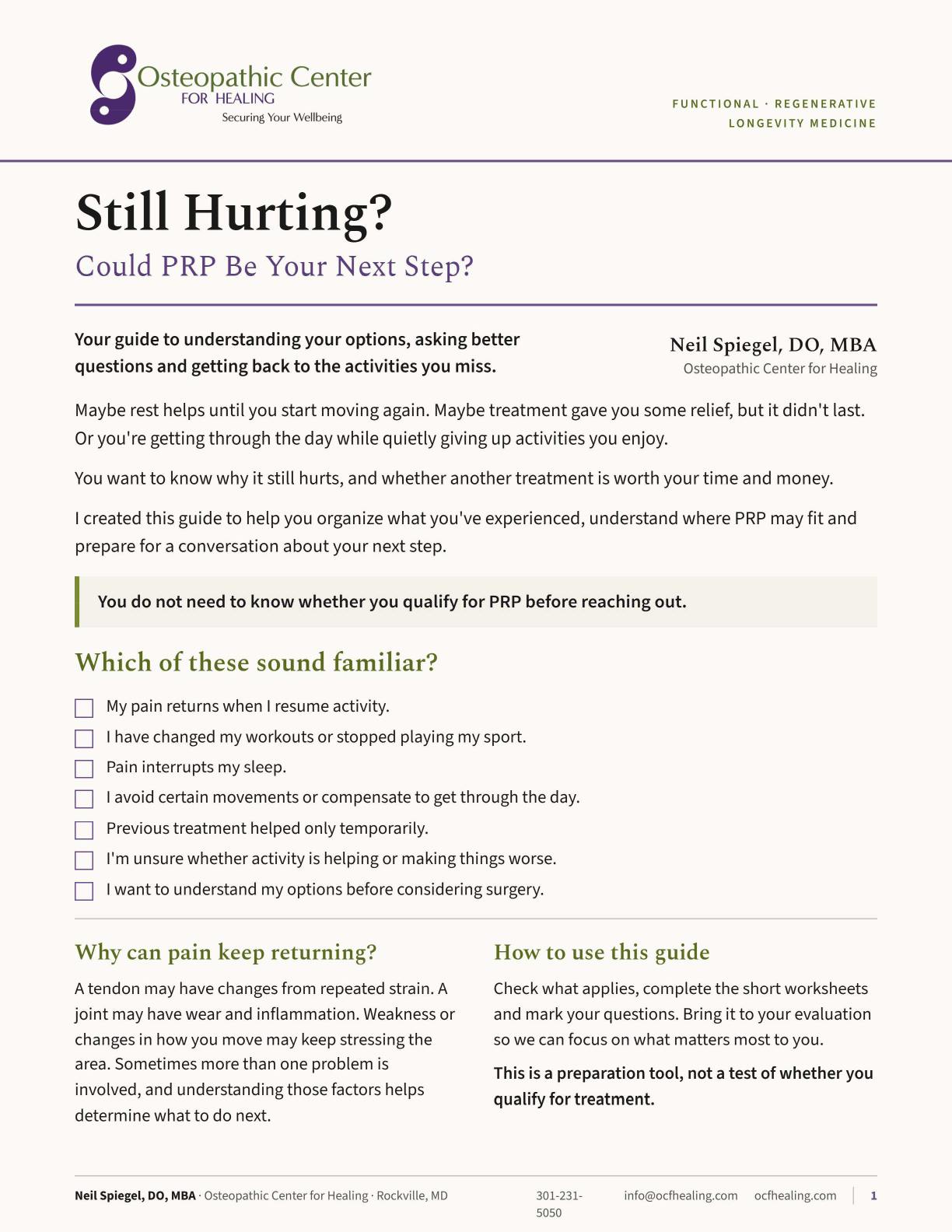
Soft Tissue PRP treatments involves using a patient’s own blood, processed to concentrate platelets, which are then injected into injured tissues to promote healing. Platelets contain growth factors and proteins that accelerate tissue repair, reduce inflammation, and stimulate cell regeneration. Below is an explanation of how PRP is beneficial for soft tissue recovery, surgery recovery, and other applications, based on current understanding and evidence

Soft tissue injuries, such as tendonitis, ligament sprains, or muscle strains, benefit from PRP due to its regenerative properties:
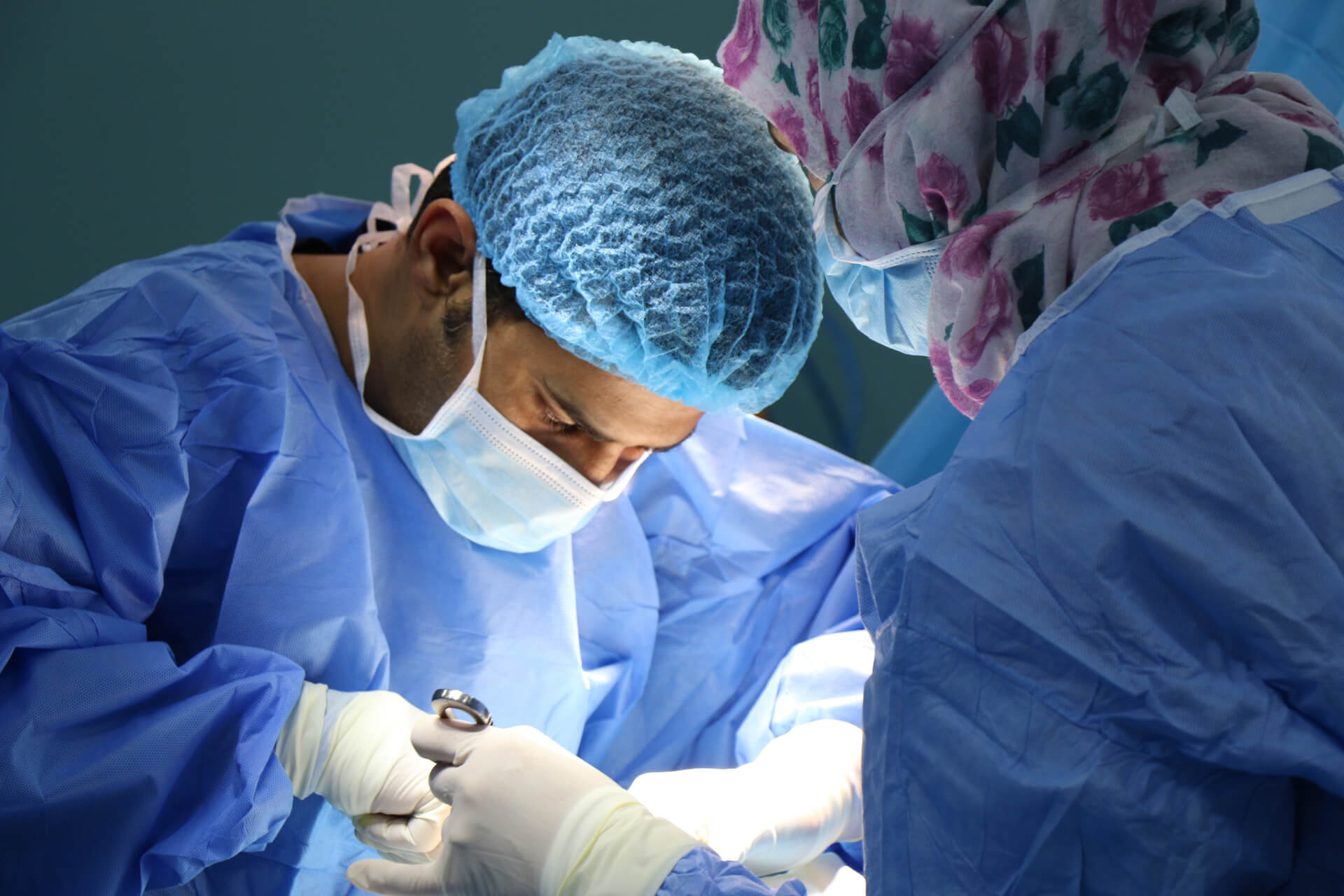
PRP is increasingly used to enhance recovery after surgical procedures, particularly in orthopedic and reconstructive surgeries:
PRP therapy shows significant potential for soft tissue recovery, surgery recovery, and other applications like osteoarthritis and wound healing. Its benefits stem from its ability to deliver concentrated growth factors that accelerate tissue repair and reduce inflammation. While evidence supports its use in many contexts, outcomes vary, and more standardized research is needed to fully define its efficacy. Patients considering PRP should consult with a healthcare provider to assess suitability, discuss costs, and set realistic expectations based on their specific condition.
Beyond soft tissue and surgical recovery, PRP has broader therapeutic uses:

Discover lasting relief with Perineural Injection Therapy, Prolotherapy, and Osteopathic Manipulation. Our personalized treatments target pain at its source, helping you regain comfort and mobility.

Our goal is to restore the function and structure of damaged tissues and adipose stromal vascular tissue using innovative regenerative therapies such as bone marrow aspirations and platelet rich plasma (PRP).

Our individualized, patient-centered, science-based approach allows patients and practitioners to work together to address the underlying causes of disease and promote optimal wellness

Achieve radiant, youthful skin with professional-grade treatments and products. From injectables and microneedling to Tixel skin resurfacing and sclerotherapy, our advanced solutions are designed to rejuvenate and restore your natural beauty.
Have questions or ready to take the next step toward better health? We’re here to help! Contact us today to get your questions answered or schedule your appointment. Let’s work together to achieve your wellness goals!
Call Us
Email Us
Answer one quick question and grab a time for your free 15-minute consult.