
Thicker Hair and Fresher Skin, Made From You
PRP uses the growth factors in your own blood to wake up thinning hair follicles and help your skin repair itself. There's nothing synthetic and nothing foreign going in. Jennifer uses it on the scalp for thinning hair and on the face for texture, scars and tired-looking skin.
Not ready to book? Start with a free 15-minute call
What Is PRP for Hair and Skin?
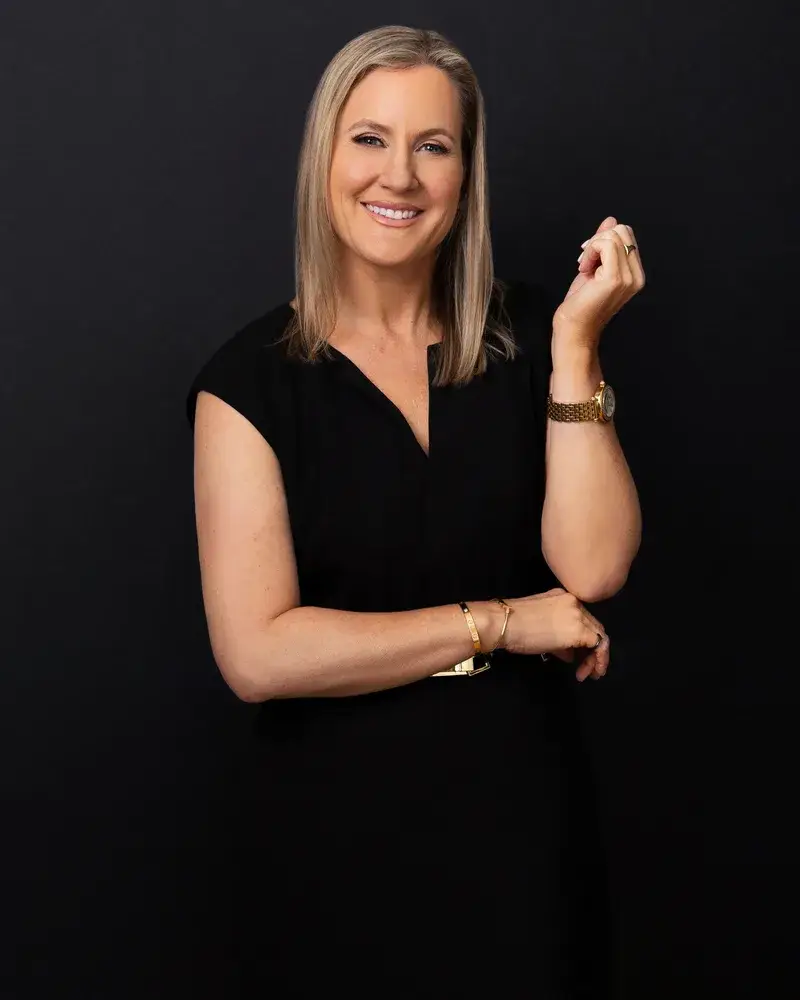
Platelet-rich plasma (PRP) is a concentrate made from a small sample of your own blood. It's rich in growth factors that support healing and new growth. For hair, PRP is injected into the scalp to support thinning follicles, and it works best for early to moderate pattern thinning in women and men. For skin, PRP is paired with microneedling or placed under the skin to improve texture, tone, acne scars and thin skin under the eyes. At the Osteopathic Center for Healing in Rockville, MD, Jennifer Gularson, PA-C, IFMCP does PRP for hair and skin. Hair usually needs a starting series of about 3 sessions a month apart, then maintenance every 3 to 6 months. Jennifer also looks for the reasons behind thinning, like hormone shifts, thyroid, low iron, stress, fast weight loss and nutrition gaps, because PRP works best when those are addressed too.
How Is PRP Made?
A Small Draw
We take a small tube of blood from your arm, like a regular lab draw.
The Spin
A centrifuge separates the platelets from the rest of your blood, so we keep the part that does the work.
Back Where It Helps
The PRP goes into your scalp or your skin, usually in the same visit.
Can PRP Help Thinning Hair?
Every hair goes through a cycle. It grows, it transitions, then it rests and sheds. With thinning, more follicles get stuck resting, and the hairs that do grow come in finer. The growth factors in PRP help keep follicles in the growing phase longer and wake up ones that have gone quiet.
PRP works on the follicle. It can't fix what's pulling your hair into shedding in the first place, so Jennifer looks at that too. See what causes thinning ↓
Works Best For
- Early to moderate pattern thinning in women and men
- A widening part or thinning at the crown
- Shedding after stress, illness or having a baby
- Thinning around the hairline and temples
Won't Help Much
- Areas that have been fully bald for years
- Scarring types of hair loss
- Thinning from a medical cause that hasn't been treated yet
When You'll See What
A starting series, about a month apart
Shedding often slows down
New, finer hairs start filling in
A maintenance session every 3 to 6 months keeps it going
Why Is Your Hair Thinning?
Hair is one of the first things your body cuts back on when something's off. Jennifer looks for the reason before she plans treatment, and she may run labs to find it.
Hormone Shifts
In perimenopause and menopause, estrogen drops and hair gets finer. Conditions like PCOS raise androgens, which shrink follicles. In men, pattern thinning is driven by hormones too. Menopause care
Thyroid
A thyroid that runs too slow or too fast can thin hair all over the scalp, and eyebrows too. It's one of the first things worth checking.
Low Iron Stores
One of the most common causes in women, and it can show up even when you're not anemic. Heavy periods and plant-based diets make it more likely.
Stress and Big Events
Illness, surgery, having a baby or a hard stretch of life can push lots of hairs into shedding at once. It usually shows up 2 to 4 months later.
Fast Weight Loss
Losing weight quickly, including on GLP-1 medications, often means less protein and fewer nutrients. Shedding is common a few months in and usually temporary. Weight loss program
Gut and Inflammation
If your gut isn't absorbing nutrients well, or inflammation is running high, your hair can be one of the places it shows. Gut health
How Do You Feed Your Follicles?
Hair is made mostly of protein, and it needs a steady supply of nutrients to grow. These basics help PRP do its job.
- Protein at every meal. Eggs, fish, poultry, beans, Greek yogurt. This matters even more if you're losing weight.
- Iron-rich foods. Red meat, lentils, spinach and pumpkin seeds, paired with vitamin C to help absorption.
- Healthy fats. Salmon, walnuts, olive oil and avocado.
- Enough food overall. Crash diets and skipped meals are hard on hair.
Test, Then Supplement
We check before we add anything, so you're taking what your body needs and skipping what it doesn't.
What Can PRP Do for Your Face?

PRP With Microneedling
Microneedling opens tiny channels, and PRP goes right in. It helps with texture, acne scars, large pores and dull skin. Expect 1 to 3 days of pink skin. About microneedling
PRP Under the Eyes
Thin, crepey skin and dark hollows under the eyes can look better as PRP helps build collagen there. It's a gradual change and looks natural.
PRP With Other Treatments
PRP can be added to Tixel to help skin heal and boost results. Jennifer will tell you if it makes sense for your plan.
Who Should Wait?
- You're pregnant or breastfeeding.
- You have a blood or platelet disorder, or take blood thinners.
- You have an active infection or rash on your scalp or face.
- You're in active cancer treatment.
Before Your Visit
Ibuprofen, naproxen and aspirin can blunt how your platelets work, so we usually ask you to skip them for a few days before and after PRP. Don't stop anything you've been prescribed without checking with us first. Drink plenty of water the day before, too.
Looking for PRP for joint or tendon pain? See our PRP Therapy page.
Who Is Jennifer Gularson?
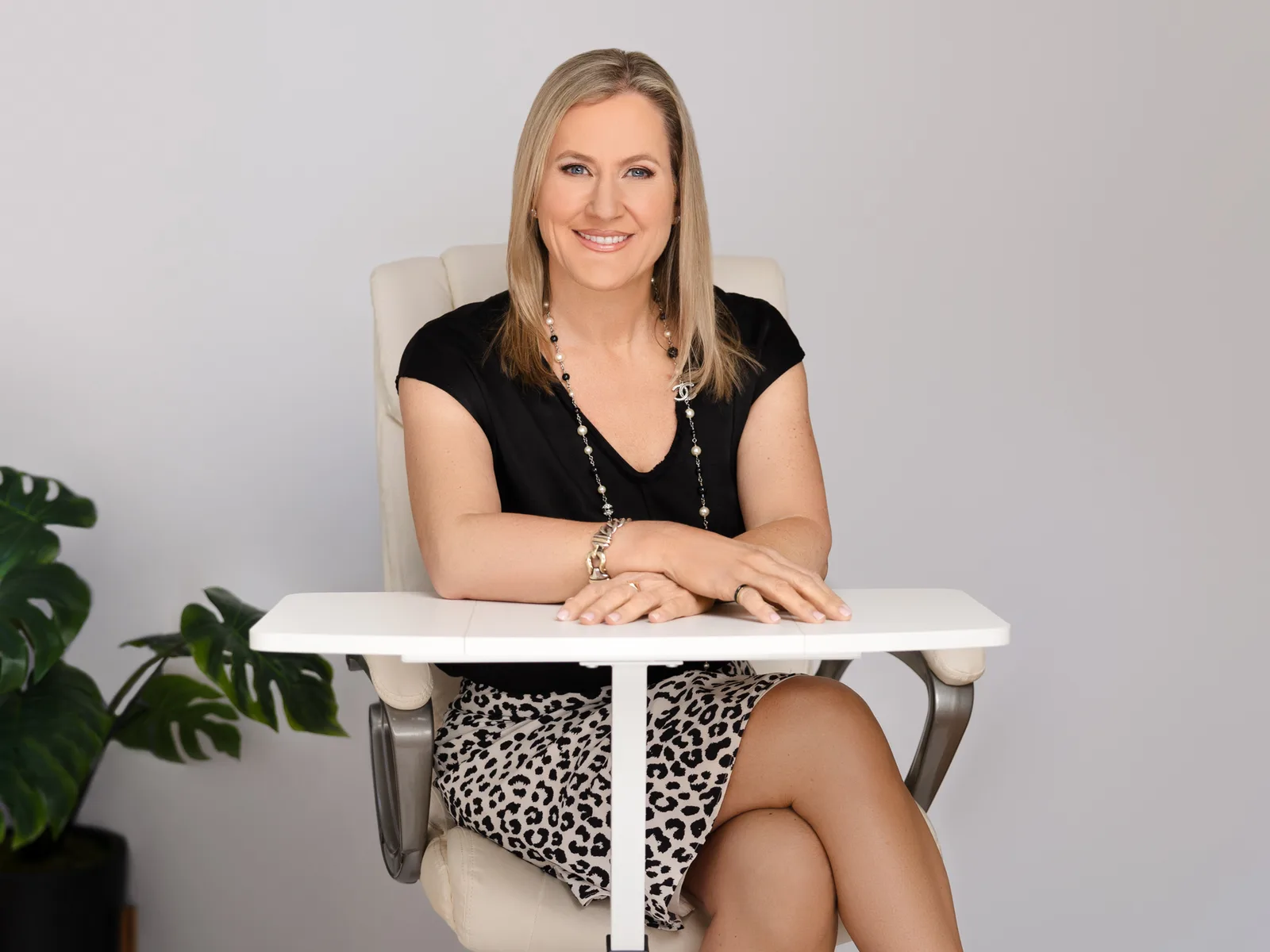
Jennifer Gularson, PA-C, IFMCP has over 20 years of aesthetic experience and is a certified functional medicine practitioner. That second part matters with hair. She looks at hormones, nutrition and stress alongside PRP, so you're not just treating the surface.
What Do People Ask About PRP for Hair and Skin?
Does PRP for Hair Hurt?
The scalp is numbed first. Most people feel pressure and some stinging, and the scalp can be tender for a day or two.
How Many PRP Sessions Will I Need for Hair?
Most people start with about 3 sessions a month apart, then come back every 3 to 6 months to keep results going. Jennifer adjusts this to how your hair responds.
When Will I See Hair Results?
Shedding often slows within 2 to 3 months. New growth usually shows between 3 and 6 months.
Can Women Get PRP for Thinning Hair?
Yes. PRP works for women and men, and it's a good fit for women with a widening part or overall thinning.
Is PRP Safe?
PRP is made from your own blood, so allergic reactions are unlikely. Soreness, swelling and mild bruising are the most common side effects, and they pass in a few days.
What's the Downtime After a PRP Facial?
With microneedling, expect 1 to 3 days of pink, sunburn-like skin. Most people are back to makeup in a day or two.
Request an Appointment
Tell us whether it's your hair, your skin or both, and our team will reach out to schedule your consult with Jennifer.
Let's Talk About Your Hair and Skin
Book a consult with Jennifer in Rockville, MD.
Not ready to book? Start with a free 15-minute call