
You're Not Crazy. Your Hormones Are Changing.
You're not sleeping, your moods feel like someone else's, your body is changing and your brain feels foggy. Maybe you've been told it's stress, that your labs are normal or that you're too young (or too old) to worry about it. We hear you, and we can help you figure out what's going on.

What Is Menopause and Perimenopause Care at OCFH?
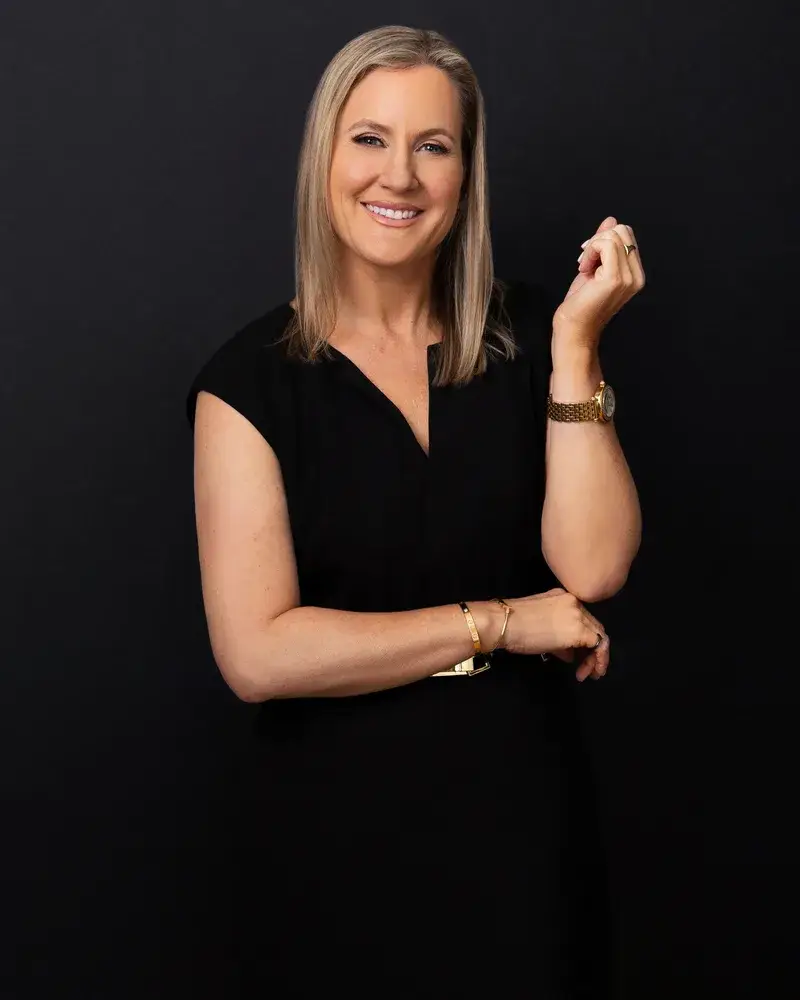
Perimenopause can start in your late 30s or 40s and bring hot flashes, poor sleep, mood changes, brain fog, weight gain and irregular periods. At the Osteopathic Center for Healing in Rockville, MD, Dr. Neil Spiegel, DO, MBA and Jennifer Gularson, PA-C, IFMCP start with a 90-minute first visit and labs, then build a plan that can include bioidentical hormone therapy, nutrition, and support for sleep, gut health and stress.
Have You Been Told Any of These?
If you've heard any of these, you're not imagining it. What you're feeling is real, and it deserves a real answer.
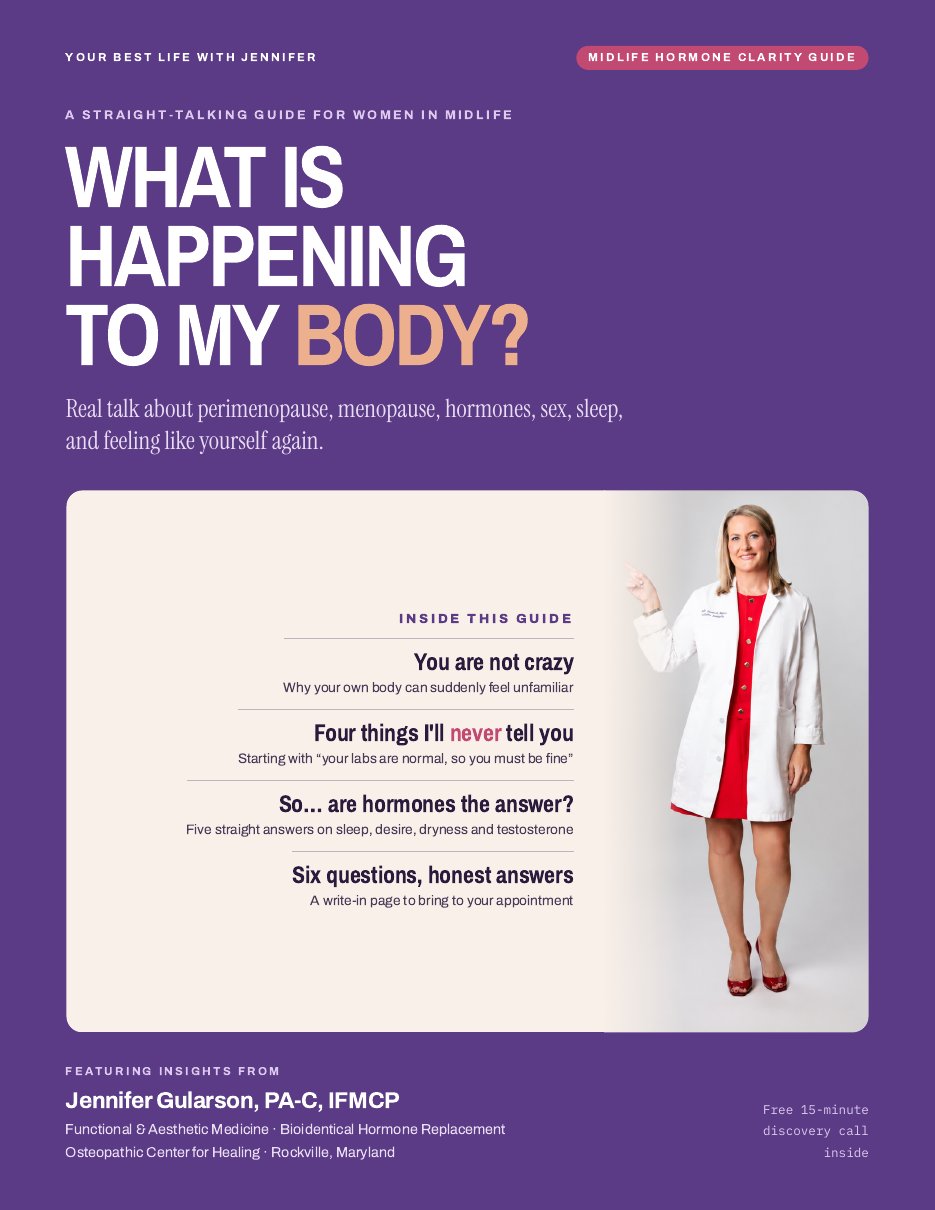
What Is Happening to My Body?
Real talk about perimenopause, menopause, hormones, sex and sleep. Jennifer wrote it so you can walk into your next appointment knowing what to ask for and what you want back.
- Why "your labs are normal" doesn't cancel out how you feel
- Straight answers on sleep, desire, dryness and testosterone
- A write-in page to bring to your appointment
Get the Free Guide
We'll send the guide plus occasional educational and promotional emails from Osteopathic Center for Healing. Unsubscribe any time.
What Are Perimenopause and Menopause?
What Happens in Perimenopause
Perimenopause is the transition before menopause. It often starts in your late 30s or 40s and can last several years. Estrogen and progesterone don't drop in a straight line. They swing up and down, sometimes day to day, and that's why symptoms can come and go and feel so unpredictable.
- Periods that get heavier, lighter or irregular
- Trouble falling or staying asleep
- Anxiety, irritability or rage that feels out of character
- Brain fog and forgetting words
- Hot flashes and night sweats
- Weight gain around the middle
- Joint aches, low libido and feeling tired all the time
What Happens in Menopause
Menopause is the point when you've gone 12 months without a period. For most women it happens around age 51. After that, estrogen stays low. Hot flashes, sleep problems and vaginal dryness can continue, and lower estrogen also affects your bones, heart and brain over time.
That's why this stage is about more than comfort. It's about protecting your health for the decades ahead.
Why Does Every Woman Go Through It Differently?
Your hormones don't work alone. How you experience this transition depends on:
That's why a one-size-fits-all approach so often falls short.
What Does the Research Show Now?
Much of that fear comes from a 2002 study that used synthetic hormones in women who were, on average, in their 60s. Newer research shows that for many healthy women who start within 10 years of menopause or before age 60, the benefits can outweigh the risks. In November 2025, the FDA removed the boxed warning from many menopausal hormone therapy labels.
Symptoms can last for years, and low estrogen affects your bones, heart and brain long after the hot flashes stop.
In perimenopause, hormone levels can change day to day, so a single blood test is only a snapshot. Your symptoms and history matter just as much as the numbers.
Age alone doesn't decide it. Your provider looks at your full health history to see what's safe and right for you.
What If Your Labs Look Normal but You Don't Feel Normal?
Standard Testing
Blood work for your hormones, thyroid, metabolism and key nutrients. This is where we start.
In-Depth Testing, When Needed
If your symptoms and standard labs don't line up, we may go further. That can include DUTCH hormone testing, which shows how your body uses and breaks down hormones and how your cortisol runs through the day, plus gut and nutrient testing.
Labs aren't required to get started, but they give your provider a clearer picture so your care can be more targeted. And they never override what you're telling us.
Which Treatment Options Fit You?
Bioidentical Hormones
Estrogen, progesterone and, when needed, testosterone or DHEA, with the same structure as the hormones your body makes. They come as creams, patches, pills, injections and pellets, and the right form and dose are built for you.
Whole-Body Support
Nutrition, sleep, stress, gut health, thyroid and targeted supplements, so your plan works with your whole body and not just one hormone. It's the heart of our functional medicine care.
Non-Hormonal Options
If hormones aren't right for you, there are other ways to ease symptoms, and we'll walk you through them.
Testosterone Isn't Just for Men
Women make testosterone too, and it drops with age. Low levels can affect libido, energy, mood, muscle and bone. Because testosterone is a controlled medication, starting it requires an in-office visit, and we monitor it with regular visits and labs. Looking for men's care? See low testosterone treatment for men.
You Don't Have to Wait
You don't need to wait until symptoms are extreme to get help. Supporting your hormones earlier, before things pile up, can be easier on your body and help protect your health for the years ahead.
Why Does Experience Matter Here?
Anyone can read about menopause. Knowing how to apply it to your body takes years of seeing patients. Dr. Neil Spiegel, DO, MBA, and Jennifer Gularson, PA-C, IFMCP, bring decades of experience and thousands of patients to your care. Both look at the whole picture: your hormones, your gut, your stress and your life. Together, we keep adjusting until you feel like yourself again.

What Does Your Path Look Like, Step by Step?
First Visit (90 Minutes)
We go through your history, your symptoms and any testing you've already had, then order the labs you need.
Results Visit
About 3 to 4 weeks later, we review your results together and build your personalized plan.
Support Between Visits
Questions come up, and our team is here between visits to help you stay on track.
Follow-Ups That Fit You
How often you come in depends on you. Some women need a few visits while we fine-tune the plan, and once things are steady it may be once a year. Finding the right dose can take a few adjustments, and that's normal.
Ready to Feel Heard?
What Do Women Ask About Menopause Care?
Can I Be in Perimenopause if I Still Get My Period?
Yes. Most women are still having periods during perimenopause, even if they're changing.
Is Hormone Therapy Safe?
For many women it is, especially when it's started within 10 years of menopause and monitored closely. Your full health history decides what's right for you.
Who Shouldn't Take Hormones?
Hormone therapy may not be right if you're pregnant or have a history of blood clots, certain cancers, heart attack or stroke. We'll go through your history carefully.
What's the Difference Between Bioidentical and Synthetic Hormones?
Bioidentical hormones have the same structure as the hormones your body makes. Synthetic hormones are similar, but not identical.
How Soon Will I Feel Better?
Many women notice changes within a few weeks. Getting your dose just right can take a few adjustments.
Do I Need Labs?
Labs aren't required, but they help. They show how your hormones, thyroid and nutrients are working, which gives your provider more insight and leads to more targeted care.
Why Would a Woman Need Testosterone?
Women make testosterone too, and levels drop with age. Low testosterone can affect libido, energy, mood, muscle and bone. Testosterone is a controlled medication, so Maryland requires an in-office visit to start it, plus regular visits and lab work to keep it safe.
Does Insurance Cover This?
We don't bill insurance for visits. If you have out-of-network benefits, we'll give you a claim form to submit to your insurer, and insurance can often be used for labs and medications.
You Deserve to Feel Like Yourself Again
Have questions? We're happy to help. Noticing changes in your skin too? See our aesthetics options. New to OCFH? Start with our New Patients page.