
Knee Pain Treatment That Helps Your Knee Heal
Stairs, walks, getting up from a chair. When your knee hurts, it touches everything. Dr. Spiegel finds where the pain is coming from, then uses hands-on osteopathic care and ultrasound-guided regenerative injections to help the knee repair itself, so surgery doesn't have to be the first answer.
Not ready to book? Start with a free 15-minute call
What Causes Knee Pain, and How Is It Treated?
Knee pain is most often caused by osteoarthritis, meniscus tears, ligament sprains, tendon problems or kneecap tracking issues. At the Osteopathic Center for Healing in Rockville, MD, Dr. Neil Spiegel, DO, MBA treats knee pain without surgery using osteopathic manipulation, prolotherapy, perineural injection therapy, platelet-rich plasma (PRP), bone marrow aspirate concentrate (BMAC) and adipose (fat) grafting. Injections are guided by ultrasound for accuracy. Many people with mild to moderate arthritis, meniscus or ligament problems can delay or avoid knee replacement, and Dr. Spiegel will tell you straight if surgery is the better path.
What Does the Location of Your Knee Pain Mean?
Tap a spot on the knee to see what usually causes pain there.
Front of the Knee
Runner's knee (pain around or behind the kneecap), patellar tendinitis and arthritis under the kneecap. Often worse on stairs, squatting or after sitting a long time.
Inside of the Knee
Meniscus tears, MCL sprains, bursitis just below the joint and arthritis, which most often starts on this side.
Outside of the Knee
IT band irritation, outer meniscus tears and LCL sprains. Common in runners, cyclists and people who hike.
Back of the Knee
A Baker's cyst, hamstring tendon strain or a tear at the back of the meniscus. Can feel tight or full when you bend.
What Is the Step-by-Step Plan for Your Knee?
Dr. Spiegel matches the treatment to what's going on in your knee. Many people start on the first step, and some need to move up.
Osteopathic Care and Movement
Hands-on treatment for the knee, hip, foot and back, since problems up and down the chain put stress on the knee. Plus the right exercises to build strength.
Osteopathic treatmentProlotherapy and PIT
Injections that strengthen loose or irritated ligaments and calm the small nerves that keep pain going.
Prolotherapy and PITPRP
Concentrated platelets from your own blood for mild to moderate arthritis, tendon problems and partial tears.
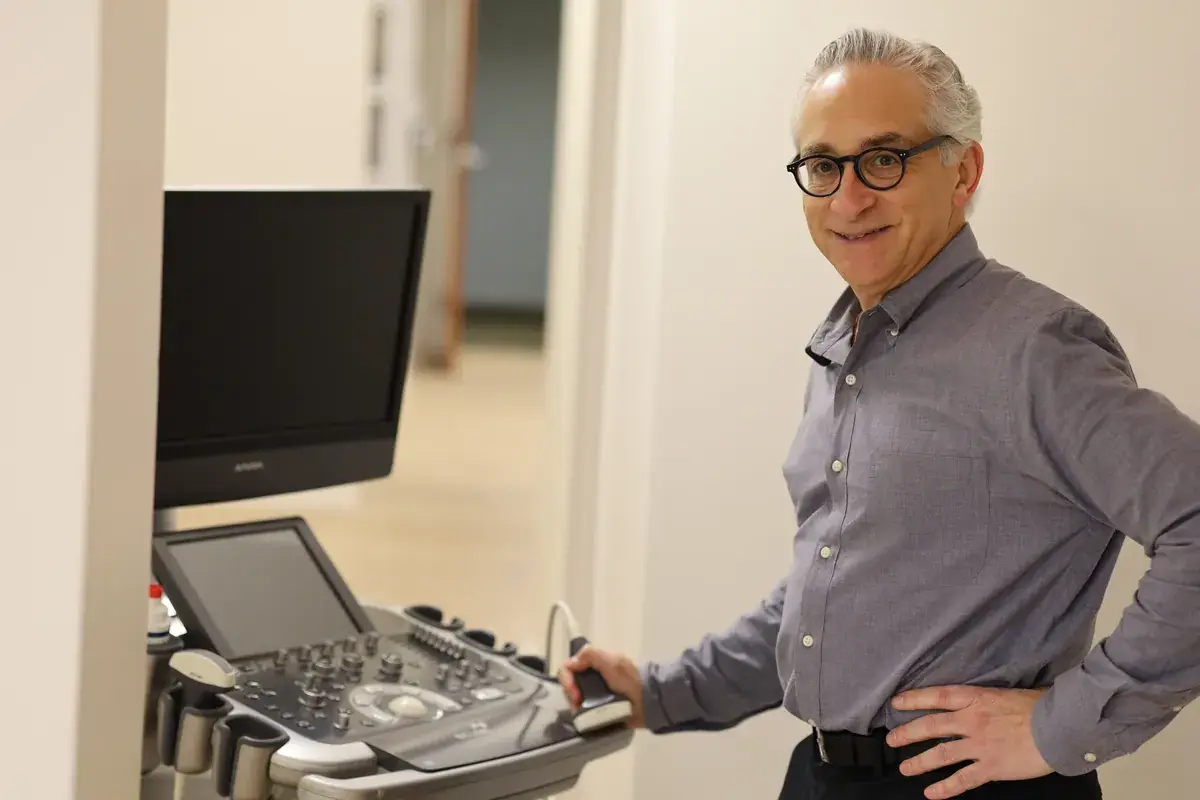
PRP therapyEvery injection is ultrasound guided. Dr. Spiegel watches on screen as he treats, so the injection lands exactly where your knee needs it.
Could This Help Me Avoid a Knee Replacement?
For a lot of people, yes, or at least push it off for years. For some, surgery is the right call. Dr. Spiegel will tell you which group you're in.
Often a Good Fit
- Mild to moderate arthritis
- Meniscus tears that aren't locking the knee
- Ligament sprains and a knee that feels loose
- Tendon pain above or below the kneecap
- Pain that lingers after a past injury or surgery
May Need a Surgeon
- Severe bone-on-bone arthritis with a bowed or misshapen leg
- A knee that locks or gives way from a large tear
- A complete ligament tear in someone who wants to return to cutting sports
Already been told you need a replacement? A second opinion is a good idea, and we're glad to take a look.
What Does Recovery Look Like?
Regenerative injections work by starting a healing response, so it's normal to feel sore for a few days before things improve. Results build over weeks and months.
Anti-inflammatory pain relievers like ibuprofen can blunt that healing response, so Dr. Spiegel will tell you what to take and what to skip.
Soreness and stiffness as healing starts
Gentle activity and walking
Most people start to notice less pain
The biggest gains in pain and function
Who Is Dr. Spiegel?
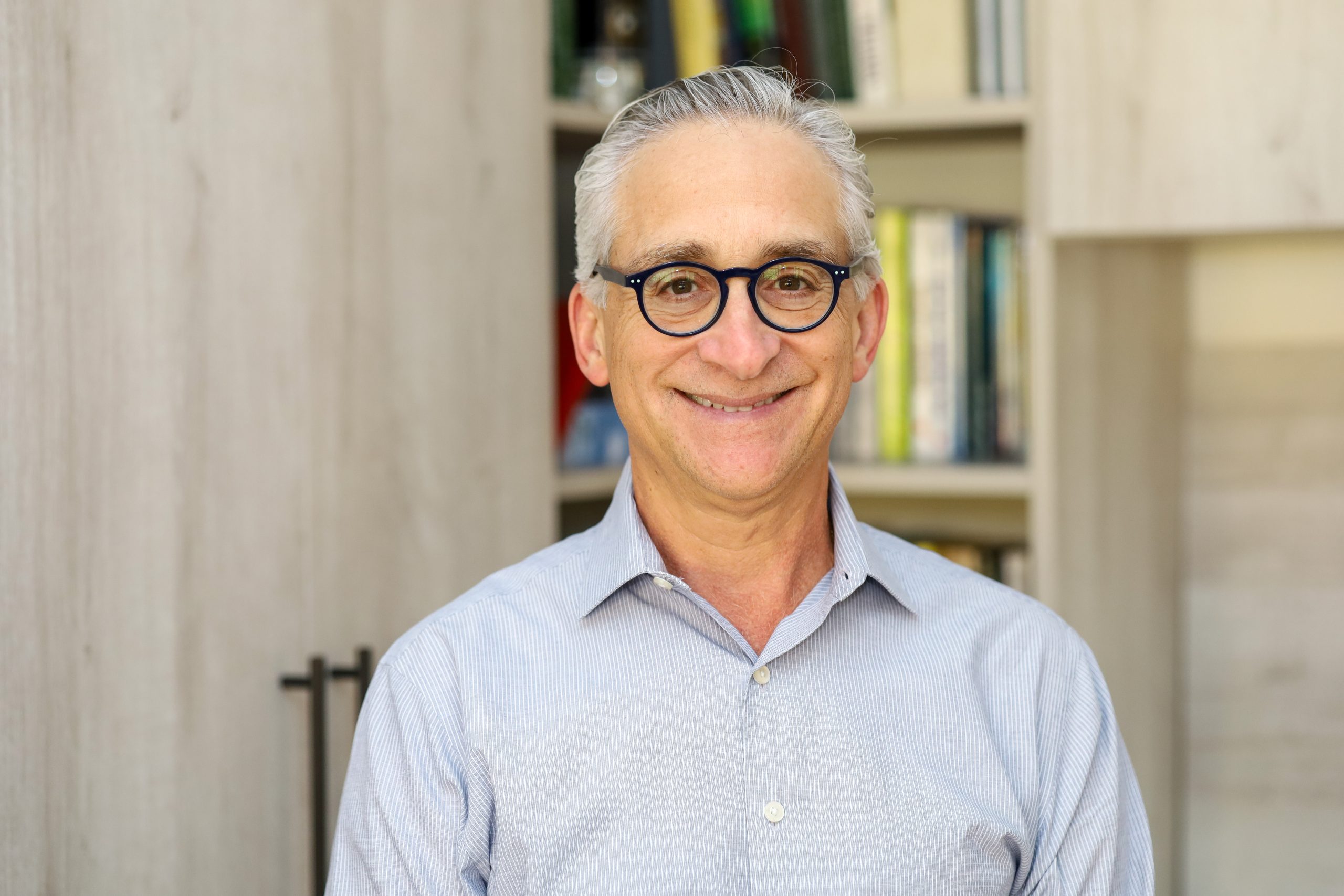
Dr. Neil Spiegel, DO, MBA is an osteopathic physician who treats joint and tendon pain with hands-on care and ultrasound-guided regenerative injections. He looks at the whole leg and how you move, then builds a plan that fits your knee, your goals and how active you want to be.
What Do People Ask About Knee Pain?
What Causes Knee Pain Without an Injury?
Arthritis, tendon irritation, kneecap tracking problems and weakness or tightness in the hip and leg are common causes. Extra weight and old injuries can add to it.
Do I Need an MRI First?
Not always. Dr. Spiegel starts with an exam and ultrasound here in the office. If those don't tell the whole story, he'll order an MRI or other diagnostic testing, or refer you to get it. If you already have imaging, bring it.
Is PRP Good for Knee Arthritis?
For many people with mild to moderate arthritis, yes. A review of 19 clinical trials found PRP eased pain better than hyaluronic acid at 6 and 12 months.
Can a Meniscus Tear Heal Without Surgery?
Many can, especially tears from wear and tear that don't lock the knee. Osteopathic care, strengthening and regenerative injections can help.
Do Knee Injections Hurt?
The area is numbed first. Most people feel pressure and some soreness for a few days afterward.
How Many Treatments Will I Need?
It depends on what's going on in your knee and which treatment fits. Dr. Spiegel will give you a plan at your first visit.
Can You Help if I've Been Told I Need a Knee Replacement?
Often, yes. Many people can delay or avoid surgery with regenerative treatment. If surgery is the better choice for you, Dr. Spiegel will tell you.
Request an Appointment
Tell us what's going on with your knee, and our team will reach out to schedule your visit with Dr. Spiegel.
Let's Get You Moving Again
Book a visit with Dr. Spiegel in Rockville, MD.
Not ready to book? Start with a free 15-minute call