Back, Neck and Joint Pain That Keeps Coming Back
If the pain eases for a while and then returns, something is still driving it. Dr. Neil Spiegel, DO, MBA looks at your whole body to find out what that is, and treats it without surgery whenever possible.
What Is Pain Management at OCFH?
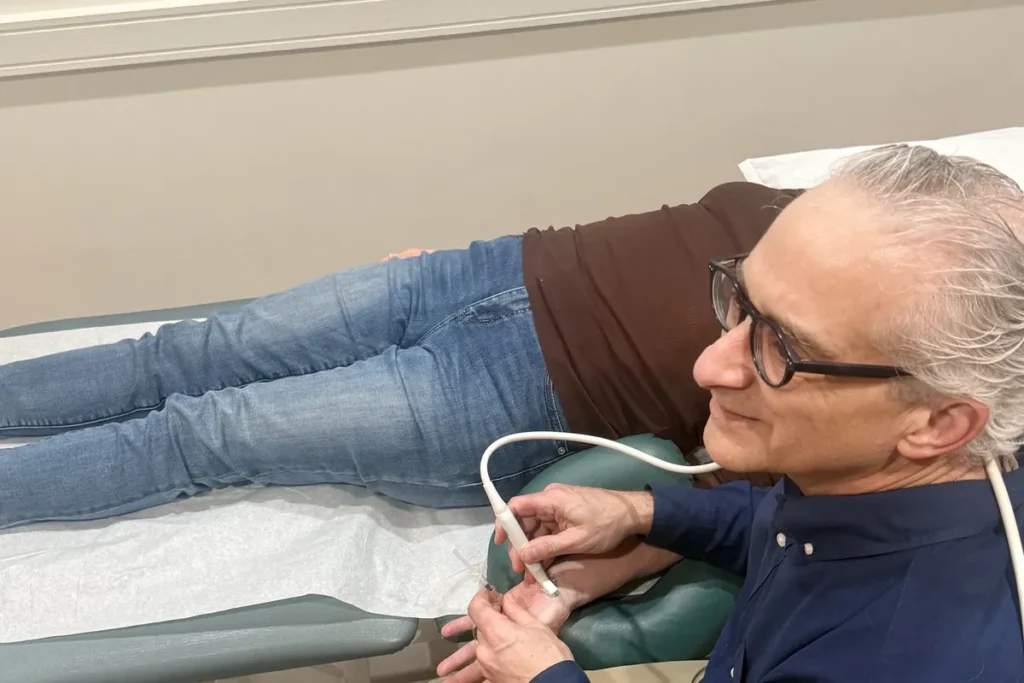
At the Osteopathic Center for Healing in Rockville, MD, Dr. Neil Spiegel, DO, MBA treats chronic and injury-related pain by finding the source first. Treatment can include osteopathic manipulation, acupuncture, prolotherapy, perineural injection therapy and ultrasound-guided regenerative care like PRP, BMAC and adipose therapy. Common reasons people come in are back and neck pain, knee and shoulder pain, arthritis, tendon injuries and nerve pain.
What Is Your Pain Trying to Tell You?
Pain is a signal. Your nervous system sends it to protect you when something isn't working the way it should. Dr. Spiegel's approach starts there: before treating the pain, find out what it's protecting.
Pain Isn't Always Where the Problem Is
A sore knee can start in the hip or foot. Tingling in your hand can start in your neck. Your body works as a connected system, so pain often shows up away from its source.
Why Pain Comes and Goes
Inflammation, sleep, stress, hormones and how much load you put on an area all change from day to day. That's why pain can disappear for weeks and come back without warning, even though the underlying problem never left.
Your Body Works Around It
When something hurts, you shift your weight, guard a joint or change how you move. Over time those workarounds strain other areas, and a single problem turns into several.
Pain Can Outlast the Injury
When pain goes on for months, the nervous system can become more sensitive and keep sending pain signals even after tissue has healed. That kind of pain needs a different plan than a fresh injury.
Feeling Better Isn't Always the Same as Getting Better
Pain medication and cortisone shots have their place. They can calm pain and inflammation so you can move, sleep and work. What they don't do is change why the pain started. When the signal is quieted but the cause is still there, the pain often comes back, sometimes stronger.
Some of these treatments can also make things worse over time. Repeated cortisone shots can weaken tendons and wear down cartilage, and when pain is masked, it's easy to push an injured area too hard. Dr. Spiegel's goal is to find and treat the cause so relief lasts.
How Does Dr. Spiegel Look at Pain?
As an osteopathic physician, Dr. Spiegel is trained in a few core ideas: your body works as one unit, structure and function affect each other, and your body has its own ability to heal. He looks at:
- Structure: How your joints, spine, muscles and posture line up and move together.
- Nerves: Whether a nerve is pinched, irritated or sending the wrong signals.
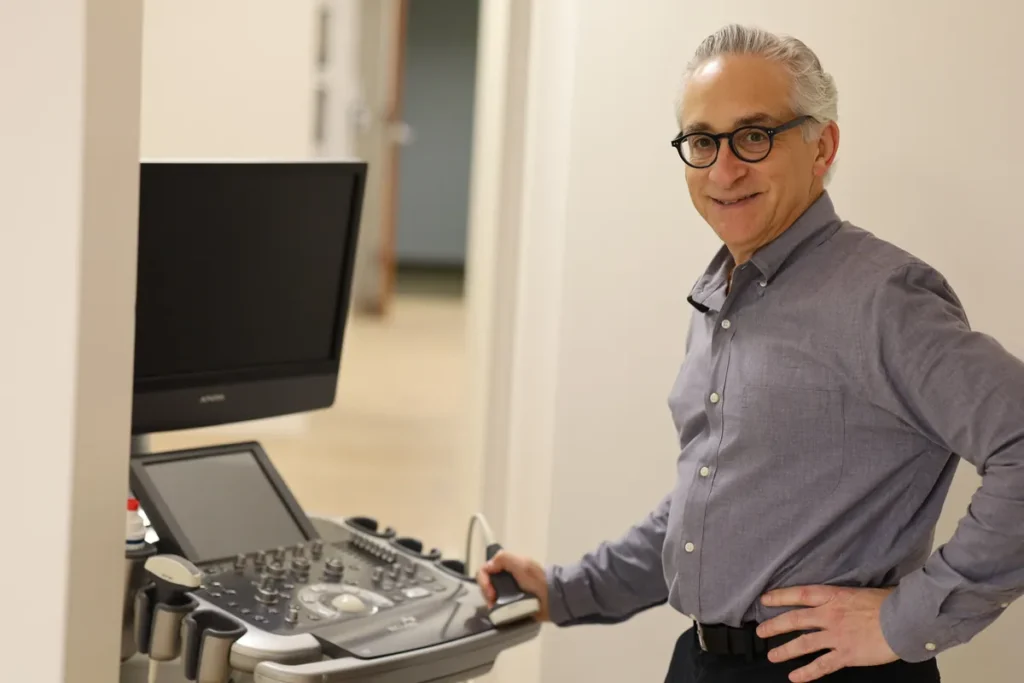
- Tissue: The health of tendons, ligaments and cartilage, seen in real time with ultrasound.
- Inflammation & Whole-Body Health: Gut health, hormones, nutrition, sleep and stress, which can all keep pain going.
- How You Move: The habits and workarounds your body has picked up.
Why Do We Find the Source Before We Treat?
Your first visit is 90 minutes, here in our Rockville office. Dr. Spiegel goes through your full history, examines how you move, and uses in-office tools to see what's happening:
- Diagnostic Ultrasound: Shows muscles, tendons, ligaments, joints and nerves while you move.
- EMG and Nerve Conduction Studies: Tests how well your nerves and muscles are working.
- Biomechanical Evaluation: Looks at posture, alignment and the way you move.
- Labs When Needed: For inflammation, hormones or nutrition that may be keeping pain going.
- MRI and Other Imaging: If the exam and ultrasound don't tell the whole story, Dr. Spiegel will order an MRI or other diagnostic testing, or refer you to get it.
What Are Your Treatment Options?
Osteopathic Manipulative Treatment (OMT)
Hands-on treatment that uses Dr. Spiegel's osteopathic training to ease pain, improve motion and help your body heal. Depending on what you need, OMT may include:
Learn More About Osteopathic Treatment →- Soft Tissue WorkGentle pressure and stretching to relax tight muscles.
- Myofascial ReleaseLoosens the connective tissue that wraps your muscles and organs.
- Muscle Energy TechniqueYou gently push against light resistance to restore joint motion.
- CounterstrainPositions your body to release tender, tight areas.
- High-Velocity, Low-Amplitude (HVLA)A quick, gentle thrust to restore joint motion.
- Cranial OsteopathyVery light touch to the head and spine.
- Lymphatic TechniquesHelps reduce swelling and congestion.
Acupuncture
Dr. Spiegel is certified in acupuncture and performs it himself. Thin needles are placed at specific points to calm pain signals, ease muscle tension and support healing, often combined with other treatments.
Learn More About Acupuncture →Prolotherapy
A simple dextrose solution, usually given as a series of visits, that helps loose or weak ligaments and tendons tighten and heal. It's often used for low back pain, loose joints and old sprains.
Learn More About Prolotherapy →Perineural Injection Therapy
Small, shallow injections along irritated nerves just under the skin to calm pain signals.
Learn More About Perineural Injection Therapy →Nerve Hydrodissection
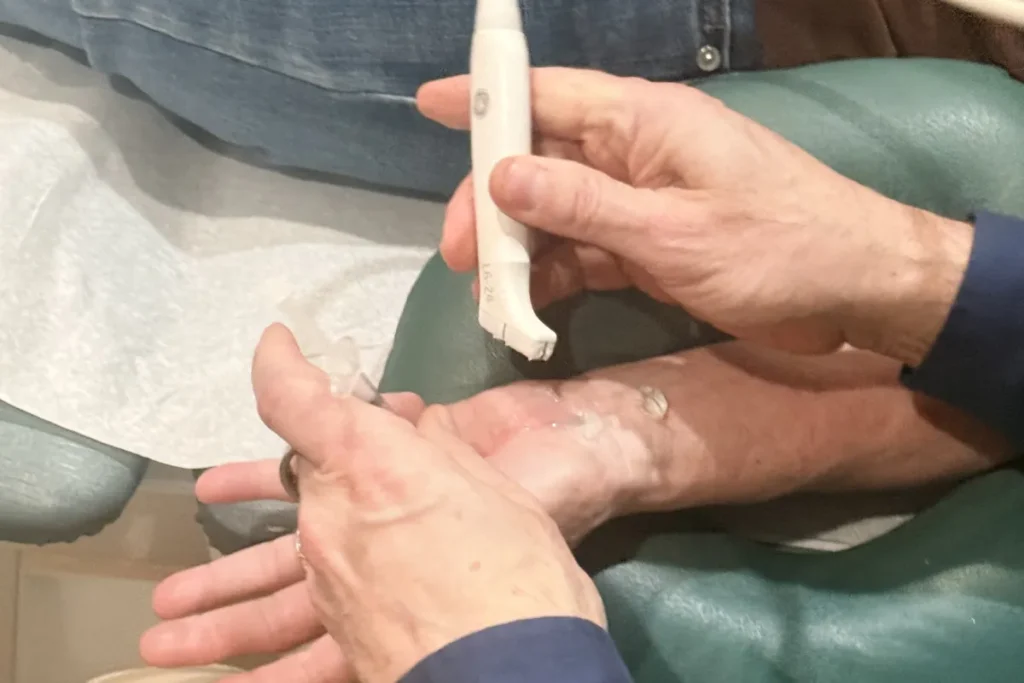
Ultrasound-guided injections of fluid to free a pinched or trapped nerve, often used for carpal tunnel.
Learn More About Nerve Hydrodissection →Botox for Migraine and Chronic Pain
For chronic migraines and certain muscle-related pain.
Learn More About Botox for Migraines →When the Tissue Needs Repair: Regenerative Medicine
For damaged joints, tendons and ligaments, Dr. Spiegel may recommend PRP or other regenerative treatments.
Learn More About Regenerative Medicine →When Inflammation Is Part of the Picture: Functional Medicine
When gut health, hormones or nutrition keep pain going, functional medicine helps treat it from the inside.
Learn More About Functional Medicine →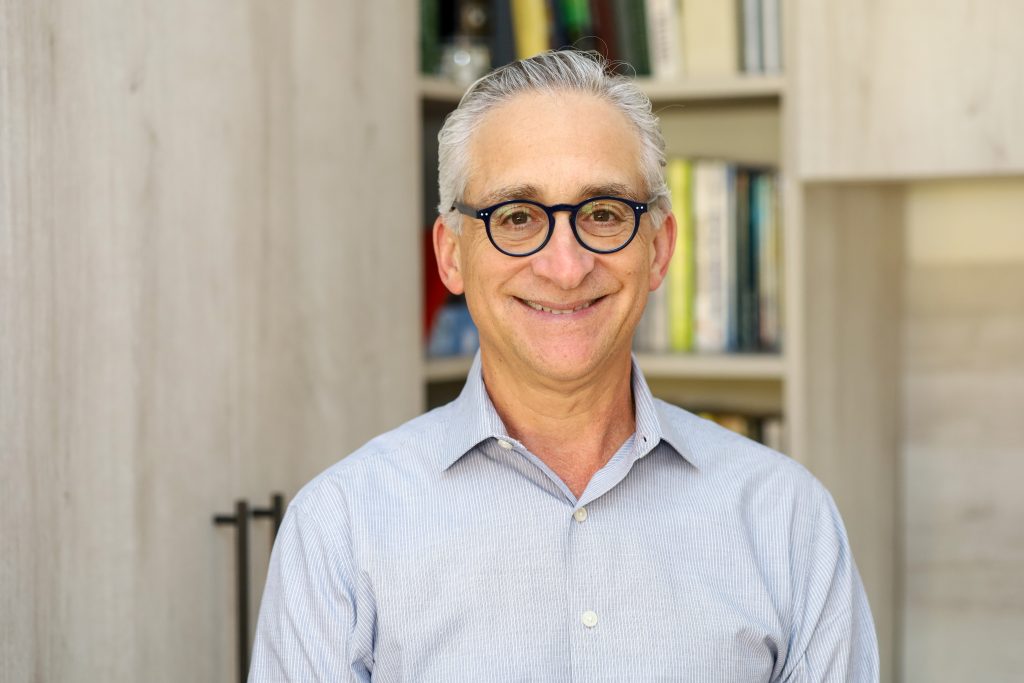
Who Is Dr. Neil Spiegel, DO, MBA?
Dr. Spiegel has treated pain, nerve problems and injuries for over 35 years.
- Board Certified in Physical Medicine & Rehabilitation, a specialty focused on restoring movement and function without surgery
- Board Certified in Anti-Aging, Regenerative & Functional Medicine
- Diplomate of the American Board of Electrodiagnostic Medicine (nerve testing)
- Trained in osteopathic manipulation as a Doctor of Osteopathic Medicine, and certified in acupuncture
- Clinical Assistant Professor at Meritus School of Osteopathic Medicine
Who Do We Help?
Back & Neck
- Low back pain
- Neck pain
- Sciatica
- Disc problems
Joints
- Knee pain, hip and shoulder pain
- Arthritis
- Loose or unstable joints
Nerves
- Pinched nerves
- Carpal tunnel
- Numbness and tingling
- Nerve pain
Muscles & Tendons
- Tendinitis
- Tennis and golfer's elbow
- Plantar fasciitis
- Old sprains
Headaches
- Chronic headaches
- Migraines
When Should You Come See Us?
- Your pain has lasted three months or more.
- It gets better with shots or medication, then keeps coming back.
- Your X-ray or MRI looked "fine," but you still hurt.
- You have numbness, tingling or weakness.
- Your pain moves around or has spread to new areas.
- A doctor has brought up surgery and you want to know your other options first.
- You've done physical therapy and you're still not where you want to be.
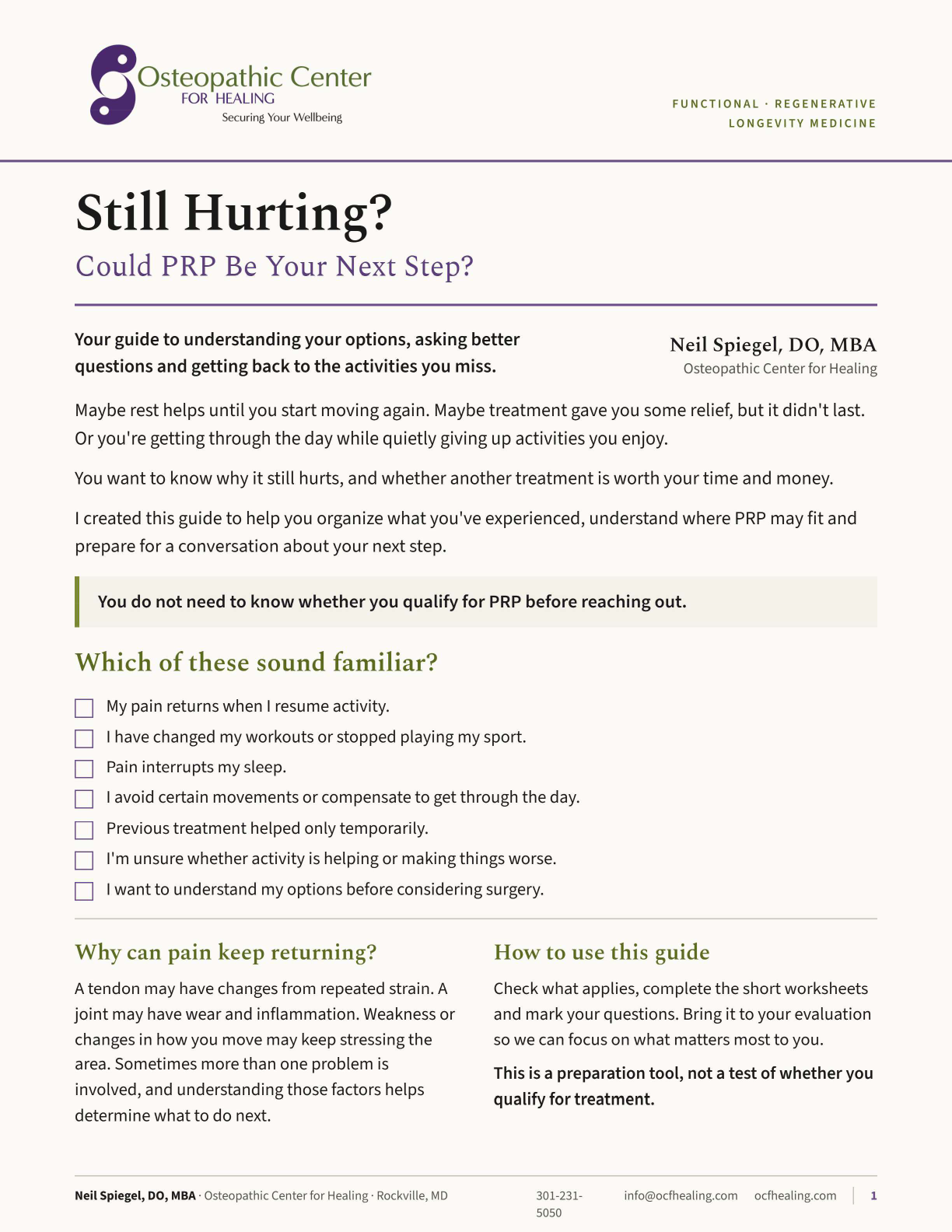
Still Hurting? Could PRP Be Your Next Step?
A plain-language guide to what PRP can and cannot do, who it tends to help, and the questions to ask before you decide.
Get the guideStill
Hurting?
Could PRP be your next step?
- What PRP can and cannot do
- Who it tends to help
- The questions to ask first
What Does Your First Visit Look Like?
Your first visit with Dr. Spiegel is 90 minutes, so there's time to go through your whole history, examine where it hurts, and look with the ultrasound. You'll leave with a plan. Some people need a little more information first, like labs or nerve testing, before treatment starts.
What Do Patients Ask About Pain Management?
Why Does My Pain Keep Coming Back?
If treatment only quiets the pain signal, the cause can still be there. Dr. Spiegel looks for what's driving the pain so relief lasts longer.
What Is Osteopathic Manipulation?
Hands-on treatment by an osteopathic physician to improve motion, ease pain and support healing.
Does OMT Hurt?
Most techniques are gentle. Some soreness for a day or two afterward is normal.
Do I Need Imaging Before My Visit?
No. Bring any recent X-rays, MRIs or reports you have. Dr. Spiegel can also use ultrasound in the office.
Will I Have to Stop My Pain Medication?
No. Don't change any medication without talking to the doctor who prescribed it. Dr. Spiegel will work with your other providers.
Can I Keep Doing Physical Therapy?
Usually yes. Treatment often works well alongside PT.
Do I Need a Referral?
No. You can request an appointment or book a free 15-minute call.
Do You Take Insurance?
We don't bill insurance, but we'll give you a claim form for out-of-network benefits. Insurance can often be used for labs, diagnostics and medications.
Results vary from person to person.