
Weight Loss That Starts With Why
You've counted calories, cut carbs, tried the apps, and the scale still won't move, or it moves and comes right back. Dr. Spiegel and Jennifer start with labs to find out what your body is doing, then build a plan that can include GLP-1 medications, peptides and nutrition support.
Not ready to book? Start with a free 15-minute call
What Is Medical Weight Loss Care?
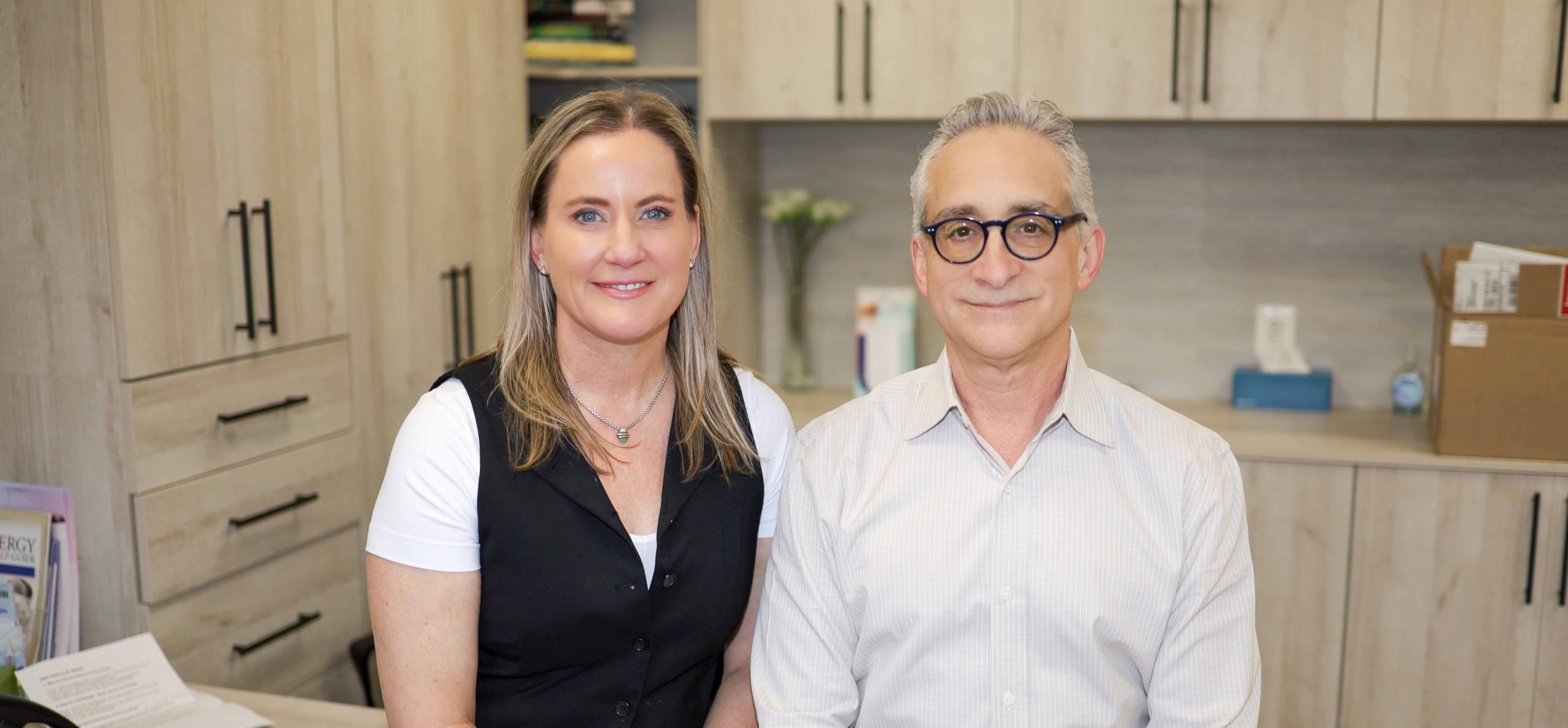
At the Osteopathic Center for Healing in Rockville, MD, Dr. Neil Spiegel, DO, MBA and Jennifer Gularson, PA-C, IFMCP run a customized medical weight loss program. It starts with a full history and labs. Depending on your results, the plan can include GLP-1 medications like semaglutide or tirzepatide, peptide therapy, nutrition coaching, and regular check-ins to adjust your dose, lower inflammation and protect your muscle.
Why Won't the Weight Move?
Weight that won't budge usually has a reason behind it, and most people have more than one.
Insulin Resistance
Your body stores fat more easily and fights to keep it, often years before your A1c looks high.
Hormone Shifts
Perimenopause, menopause and low testosterone change where you store fat and how fast you burn it. See menopause care and low T.
Thyroid
A sluggish thyroid slows everything down, even with a "normal" TSH.
Stress and Cortisol
High cortisol pushes fat to your middle and drives cravings.
Sleep
Short or broken sleep raises hunger hormones and lowers the ones that tell you you're full.
Gut Health
Your gut bacteria affect how you absorb and store energy. Learn about gut health.
Inflammation
It makes your body hold on to weight and makes losing it harder.
Years of Dieting
Cutting calories again and again can slow your metabolism and cost you muscle.
The fat around your middle is the hardest to lose and the one that matters most.
Why Is Belly Fat Different?
Fat around your middle wraps around your liver, stomach and intestines. It's the type most linked to type 2 diabetes and heart disease, and it's often the hardest to lose with diet alone. That's why we track your waist, not just the scale.
How Do GLP-1 Medications Work?
GLP-1 medications copy a hormone your gut makes after you eat. They help you feel full sooner, quiet the constant food noise, slow how fast your stomach empties and help your body handle blood sugar.
Semaglutide
Sold as Wegovy and Ozempic. In clinical trials, people lost about 15% of their body weight on average.
Tirzepatide
Sold as Zepbound and Mounjaro. It works on two hormones, GLP-1 and GIP. Trials showed average weight loss of up to about 20%.
What Can GLP-1s Do Beyond Weight Loss?
GLP-1 medications do more than help with weight. In clinical trials, semaglutide lowered CRP, a key marker of inflammation in the body. For some patients, we use GLP-1s as part of a plan to bring inflammation down, guided by your labs and your health history.
Should You Choose Brand Name or Compounded?
We prescribe both. We'll help you decide which fits your health, your insurance and your budget.
Brand Name
- FDA-approved
- Made by the drug company
- Often covered by insurance for people who qualify
- Costs more without coverage
Compounded
- Made for you by a licensed U.S. pharmacy
- Can be more affordable
- Not FDA-approved
- We only use pharmacies we trust and walk you through the difference
How Do We Protect Your Muscle?
Some of the weight people lose on GLP-1s can come from muscle, and muscle is what keeps your metabolism strong. We set protein targets, encourage strength training and check in regularly so the weight you lose is mostly fat.
Where Do Peptides Fit?
Peptides are short chains of amino acids that signal your body to do specific jobs. We use them alongside your plan when your labs and goals call for it.
Sermorelin
Supports your body's own growth hormone, which can help with sleep, recovery and body composition.
BPC-157
Studied for healing in tendons, muscles and the gut lining. We use it for injury recovery and gut support.
TB-500
Studied for tissue repair, flexibility and recovery after an injury, so you can keep moving.
MOTS-c
A peptide your own cells make, studied for metabolism, blood sugar control and cell energy.
Copper Peptide (GHK-Cu)
Used on the scalp and face to support collagen, firmer-looking skin and healthier-looking hair.
NAD+
Not a peptide, but a coenzyme your cells use to make energy. It can help when fatigue makes it hard to stay active. Read about fatigue.
How We Handle Peptides
Peptides here are prescription only, and only after a visit and labs. We follow FDA guidelines for compounded medications, and every peptide we prescribe is made for you by a state-licensed U.S. compounding pharmacy. Compounded peptides are not FDA-approved, and research on many of them is still early. We'll tell you what the evidence shows, what it doesn't, and whether a peptide makes sense for you at all.
Why Not Just Order Peptides Online?
Everyone's an expert online, and most of them aren't. Peptides sold as "research only" or "not for human use" aren't made for people, and you're the one taking the risk.
What's in the Vial?
Nobody checks what's in it, how much is in there or whether it's sterile. Here, your peptide comes from a licensed U.S. pharmacy, made for you.
Guessing the Dose
Forums and videos can't see your labs. We check your labs first and set a dose for your body and your goals.
No One Watching
Side effects and interactions with what you already take can go unnoticed. Here, your provider checks in and adjusts as you go.
What Does the Program Look Like, Step by Step?
Consult and Labs
We review your history, past diets, medications and goals, and run labs like thyroid, insulin, A1c, hormones and nutrients.
Your Custom Plan
Medication, peptides, nutrition and habits, built around your labs and your life.
Regular Check-Ins
We adjust your dose, manage side effects and keep you moving forward.
Maintenance
We plan for what happens after you reach your goal, including tapering when it makes sense.
Is This Right for You?
Usually a Good Fit
- Adults with a BMI of 30 or more
- Adults with a BMI of 27 or more and a health issue like high blood pressure, high cholesterol, prediabetes or sleep apnea
- People who've tried on their own and can't get results
- People with signs of insulin resistance or ongoing inflammation
Not a Fit for GLP-1s
- A personal or family history of medullary thyroid cancer or MEN2
- Pregnancy or trying to get pregnant
- A history of pancreatitis
We'll go over your full history at your consult.
What Side Effects Do We Help You Manage?
Nausea, constipation, reflux and feeling too full are the most common, especially in the first few weeks and after dose increases. We start low, go slow and adjust with you.
What Happens When You Stop?
Studies show many people regain weight after stopping GLP-1s. Our goal is to build the habits, muscle and metabolic health that help you keep it off, and to step your dose down carefully when you're ready.
Why Work With Two Providers Instead of an App?
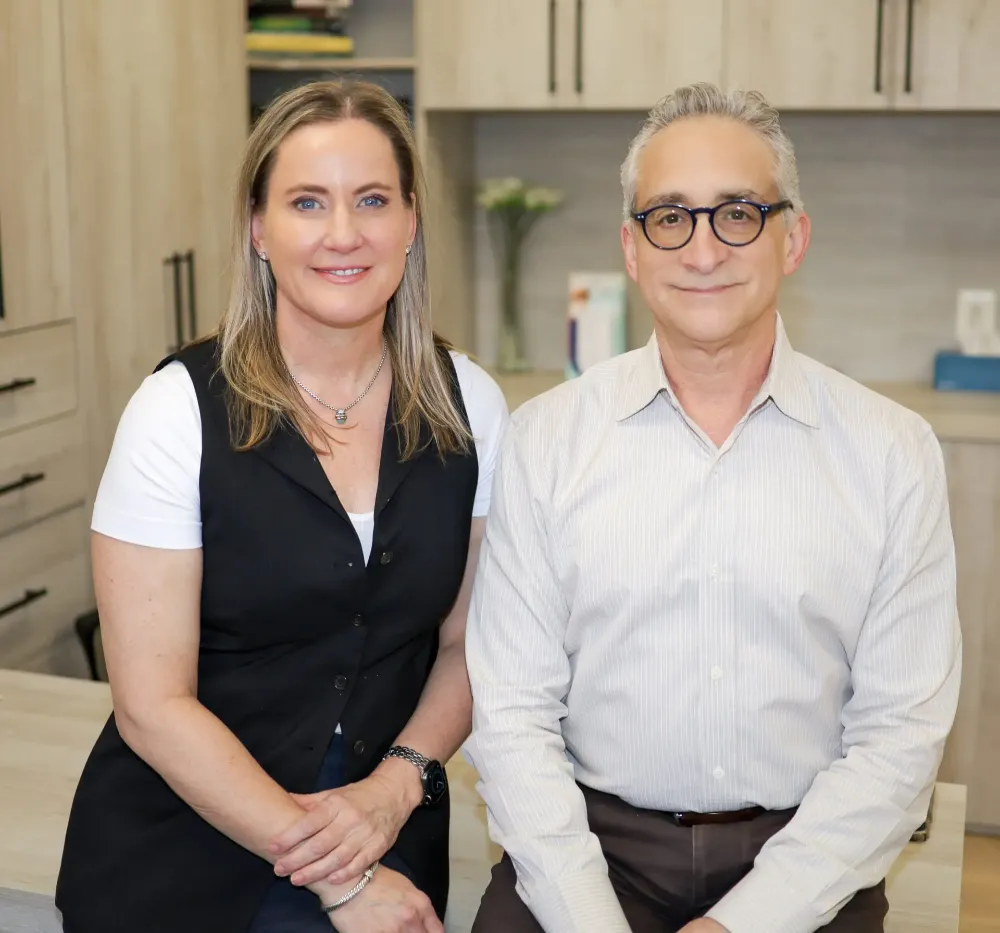
Dr. Neil Spiegel, DO, MBA is an osteopathic physician who looks at how your whole body works together. Jennifer Gularson, PA-C, IFMCP is certified in functional medicine and has spent years helping patients with hormones, metabolism and weight.
You see the same people at every visit, and they adjust your plan as your body changes.
What Do People Ask About Weight Loss?
Do I Need Labs Before Starting?
Yes. Labs help us find what's driving the weight and make sure the medication is safe for you. We usually check thyroid, insulin, A1c, hormones and nutrients.
Will Insurance Cover GLP-1 Medications?
Some plans cover brand-name GLP-1s for people who qualify. We're out of network, so we give you a claim form for your visits and help you check your medication coverage.
How Much Weight Will I Lose?
It depends on your body, your dose and your plan. In clinical trials, average weight loss was about 15% on semaglutide and up to about 20% on tirzepatide.
Is Compounded Semaglutide the Same as Ozempic?
It has the same active ingredient, but it isn't FDA-approved and isn't made by the brand manufacturer. We'll explain the trade-offs so you can decide.
Can GLP-1s Help With Inflammation if I Don't Need to Lose Much Weight?
Sometimes. Using a GLP-1 mainly for inflammation is off-label, so it depends on your labs, your history and your goals. Insurance usually won't cover it for that, so we'll talk through your options.
Do I Have to Take It Forever?
Not always. Some people step down to a lower dose or stop with a maintenance plan. Many people regain weight after stopping, so we plan for that together.
Can Peptides Help With Weight Loss Without a GLP-1?
For some people, yes, especially paired with nutrition and strength training. Your labs and goals guide that decision.
Are Compounded Peptides FDA-Approved?
No. Compounded peptides are not FDA-approved. We follow FDA guidelines for compounded medications, prescribe only after a visit and labs, and use state-licensed U.S. compounding pharmacies.
Is It Safe to Buy Peptides Online?
We don't recommend it. Peptides sold online as "research only" aren't checked for what's in the vial, the dose or sterility, and no one is watching for side effects. A provider-prescribed peptide from a licensed pharmacy is a safer way to go.
Can I Do My Check-Ins by Telehealth?
After your first in-person visit, some check-ins can be virtual.
Request an Appointment
Tell us a little about you and what you'd like help with, and our team will reach out to schedule your consult.
Let's Find Out What Your Body Needs
Book a consult with Dr. Spiegel and Jennifer in Rockville, MD.
Not ready to book? Start with a free 15-minute call